

Struggling with Stubborn Belly Fat That Just Won’t Go Away?
You’ve tried eating healthy. You’ve tried working out.
Yet those same problem areas remain… and it’s frustrating.
What if the real issue isn’t your diet…
but your body’s internal fat-burning switch?
FREE Training Video Reveals:
The Breakthrough Method to “Vaporize” Stubborn Fat Cells
(No extreme diets. No endless cardio. No stress.)
Discover how real people are finally burning fat, naturally and consistently.
Click below to watch your FREE training while it’s still online:
➡️ YES! Show Me The Free Video
Pneumonia remains the leading cause of hospitalization and death among adults over 50, especially among women with underlying health conditions. The pneumonia vaccine is a vital defense, but like any medical intervention, it can cause side effects. Understanding these effects, who is most at risk, and how to prevent them is critical for women in this age group to make informed health decisions.
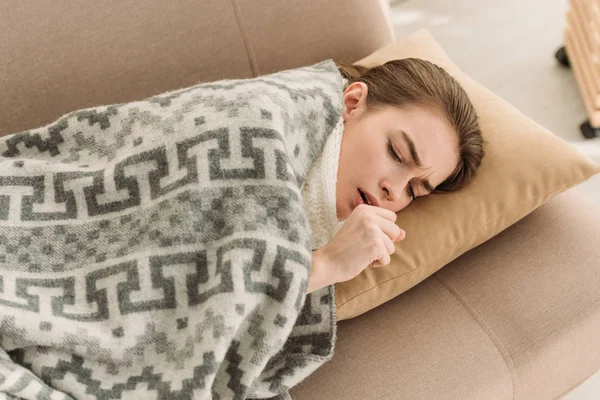

What is pneumonia?
Pneumonia is an infection that causes the air sacs in one or both lungs to become inflamed and often fill with fluid or pus, causing coughing, fever, chills, and difficulty breathing. William Schaffner, MD, professor of preventive medicine at Vanderbilt University School of Medicine, said pneumonia is especially dangerous for older adults because their immune systems may not be able to mount a strong response to the infection. This makes prevention through vaccination even more important for women over 50 years of age.
Know the symptoms of pneumonia in women over 50
Symptoms of pneumonia can vary, especially in women over 50, and sometimes differ from the typical symptoms in younger people. Older adults may not always present with symptoms of high fever or severe cough; instead, symptoms may be more subtle or atypical. Common symptoms include:
-
Fever, which in older adults may be lower than normal or absent.
-
A cough that often produces green, yellow, or bloody mucus.
-
Shortness of breath or difficulty breathing, especially during daily activities.
-
Chest pain that worsens with deep breathing or coughing.
-
Chills, sweating, or feeling cold.
-
Fatigue, weakness, or instability may increase your risk of falling.
-
Loss of appetite or decreased interest in eating.
-
Confusion, delirium, or changes in mental awareness—which are more common in older adults—can be a key indicator.
-
Blue or discolored lips or nails indicate low oxygen levels.
-
Muscle pain, headache, nausea, or vomiting.
-
Worsening of existing health conditions or changes in daily functioning.
Because symptoms may be less obvious in older women, it is important to seek medical attention if there is a sudden change in health, confusion, or difficulty breathing, even if the typical symptoms of fever or cough are not present. Early recognition and prompt treatment are crucial for better outcomes in this age group.
4 key risk factors for pneumonia
Women over 50 are at increased risk of developing pneumonia if they have certain health conditions. The four main risk factors are:
-
Obesity impairs lung function and immune response.
-
Diabetes weakens the body’s ability to fight infections.
-
Chronic lung disease, such as chronic obstructive pulmonary disease or asthma.
-
Heart problems can make it harder for the body to respond to respiratory infections.
These factors can make pneumonia more severe and increase the likelihood of complications, highlighting the importance of vaccination.
Mild pneumonia vaccine side effects
Most women over 50 experience only mild side effects from the pneumonia vaccine. These usually include:
-
Redness, swelling, or pain at the injection site.
-
Mild fever or chills.
-
Loss of appetite.
-
Fatigue or burnout.
-
Headache or muscle aches.
-
Irritability or feeling generally unwell.
These symptoms usually disappear within two to four days and rarely affect daily activities. Serious side effects, such as difficulty breathing or a large rash, are extremely rare but require immediate medical attention.
How to minimize the side effects of the pneumonia vaccine
To reduce the risk and severity of side effects, women over 50 can:
-
Stay hydrated before and after vaccination.
-
Use a cold compress on the injection site to relieve pain or swelling.
-
If discomfort persists, take an over-the-counter pain reliever like acetaminophen.
-
Rest and avoid strenuous activity for a day or two after the injection.
These simple steps can help make the vaccination experience more comfortable and reduce the impact of side effects.
Who should get the pneumonia vaccine?
The pneumonia vaccine is recommended for all adults 65 years and older and adults 19 to 64 years old with certain chronic medical conditions, including those listed above. Women over age 50 with weakened immune systems or chronic medical conditions should discuss vaccination with their health care provider to determine the best time and type of vaccination for their situation.
More ways to prevent pneumonia
In addition to getting vaccinated, women over 50 can reduce their risk of pneumonia by:
-
Maintain good hand hygiene and avoid close contact with sick people.
-
Quitting smoking can damage your lungs and increase your risk of pneumonia.
-
Manage chronic conditions such as diabetes and heart disease.
-
Get regular checkups and stay up to date on other vaccinations, such as the flu shot.
These prevention strategies, combined with vaccination, provide the best protection against pneumonia in women over 50 years of age.
By understanding the risks, side effects, and prevention methods, women over 50 can make confident decisions about pneumonia vaccination and take proactive steps to protect their health.
Also Read | 8 Holiday Traditions Study Proves to Boost Happiness and Health
Sound Health and Lasting Wealth.com Providing the latest information from top experts, new research and health agencies, our content is not a substitute for professional guidance. Always talk directly to your health care provider when it comes to medications you are taking or if you have any other health questions.