
Struggling with Stubborn Belly Fat That Just Won’t Go Away?
You’ve tried eating healthy. You’ve tried working out.
Yet those same problem areas remain… and it’s frustrating.
What if the real issue isn’t your diet…
but your body’s internal fat-burning switch?
FREE Training Video Reveals:
The Breakthrough Method to “Vaporize” Stubborn Fat Cells
(No extreme diets. No endless cardio. No stress.)
Discover how real people are finally burning fat, naturally and consistently.
Click below to watch your FREE training while it’s still online:
➡️ YES! Show Me The Free Video
Diet does not always provide adequate intake. For those who don’t eat enough calcium-rich foods, supplements may be an option.
Women experience bone loss after menopause due to a decline in estrogen. Multiple studies have found that elderly and postmenopausal women who take calcium supplements have less bone density loss. This positive effect was more pronounced among individuals with lower dietary calcium intake and during the first two years of supplementation.
Vitamin D: The role of the sunshine vitamin in bone integrity
Vitamin D is an important nutrient for maintaining bone health. Vitamin D enhances calcium absorption and helps maintain the balance between calcium and bones.
Research has found that vitamin D supplementation can help people with osteoporosis. Osteoporosis reduces bone density and makes patients prone to fractures. One of the most important causes of osteoporosis is vitamin D deficiency.
One study examined the effects of vitamin D supplementation in 400 people with osteoporosis. Vitamin D supplementation for 8 weeks in patients with vitamin D deficiency. The prevalence of osteoporosis was significantly lower in the supplement group compared with the control group.
A combination of calcium and vitamin D supplementation has been shown to help reduce the risk of fractures.
Vitamin K: The Unsung Hero
A review of 10 randomized controlled studies involving 1,346 participants determined that the combination of vitamin K and calcium has a positive effect on lumbar spine bone mineral density.
Magnesium: The hidden key to bone density
About 60% of the body’s magnesium is located in bones, which decreases with age.
Studies have found that magnesium supplementation increases bone mineral density in people with osteoporosis and inhibits bone turnover in postmenopausal women with osteoporosis.
A large study of postmenopausal women found that participants with lower daily magnesium intake had lower bone mineral density throughout their bodies and throughout their hips.
Glucosamine and Chondroitin: Natural Buffers
Glucosamine and chondroitin are natural components of cartilage, the cushioning tissue that protects joints and bones.
Although some studies have not found any benefit from glucosamine on osteoarthritis pain or function, one study found a 36% reduction in NSAID use after supplementing with glucosamine.
Another study of 407 overweight women aged 50 to 60 years found that glucosamine supplementation significantly reduced the risk of knee osteoarthritis compared with placebo.
One study involving 604 patients with knee osteoarthritis found that supplementing with chondroitin sulfate for 6 months was as effective as NSAIDs in reducing pain and improving function.
A review of 43 studies involving 4,962 people with osteoarthritis found that chondroitin supplementation alone or glucosamine supplementation significantly reduced osteoarthritis pain scores and improved joint mobility or function compared with placebo.
One study also found that a combination of glucosamine hydrochloride and chondroitin sulfate was effective in reducing knee osteoarthritis pain, stiffness, and swelling compared to 200 NSAIDs.
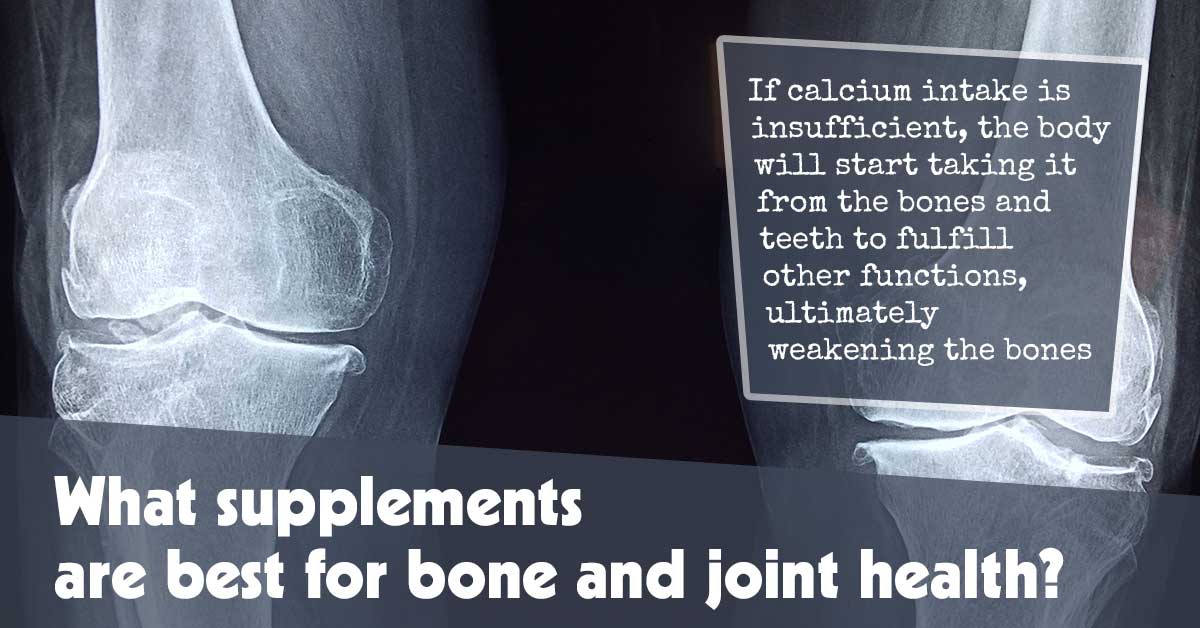
Image by Dr. Manuel González Reyes from Pixabay