
Struggling with Stubborn Belly Fat That Just Won’t Go Away?
You’ve tried eating healthy. You’ve tried working out.
Yet those same problem areas remain… and it’s frustrating.
What if the real issue isn’t your diet…
but your body’s internal fat-burning switch?
FREE Training Video Reveals:
The Breakthrough Method to “Vaporize” Stubborn Fat Cells
(No extreme diets. No endless cardio. No stress.)
Discover how real people are finally burning fat, naturally and consistently.
Click below to watch your FREE training while it’s still online:
➡️ YES! Show Me The Free Video
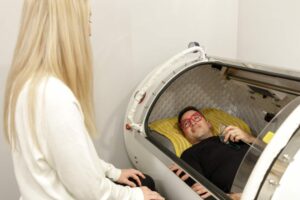
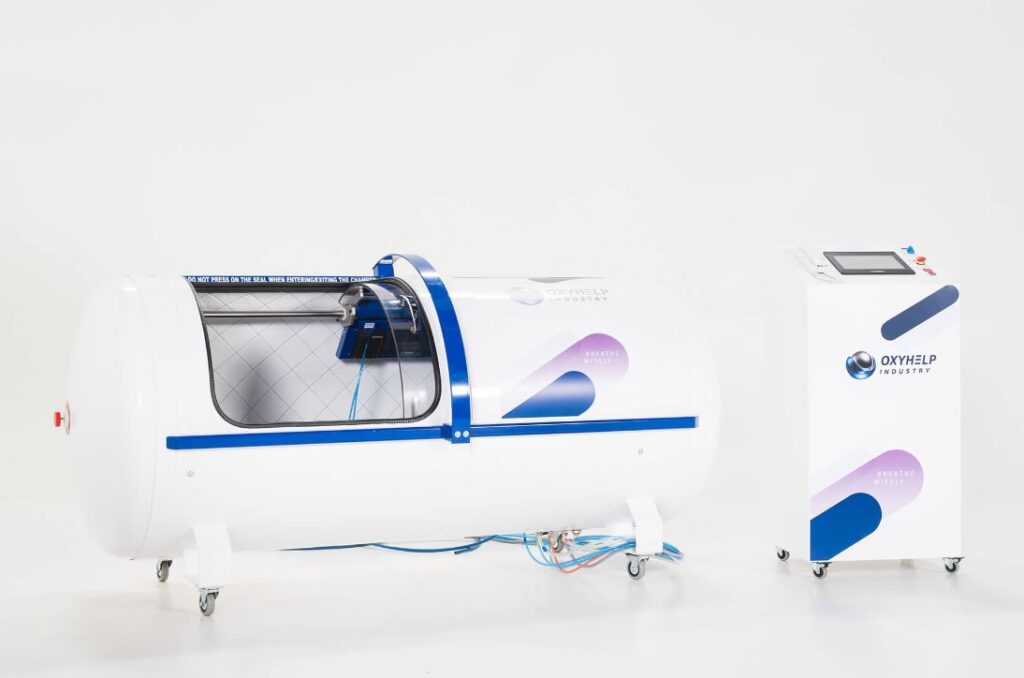
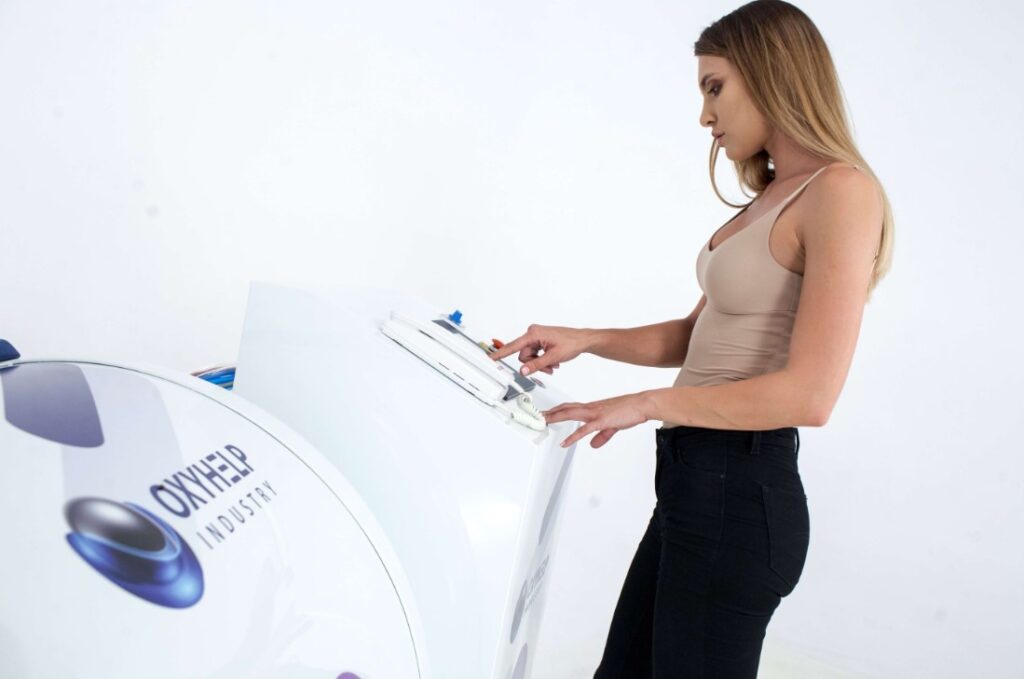
A hyperbaric oxygen chamber is a medical device specifically designed to deliver oxygen at a pressure higher than atmospheric pressure.
This blog post aims to demystify these rooms by providing insights from healthcare professionals. We’ll explore how these chambers work, their medical applications, safety protocols, and the benefits they provide.
By providing a high-pressure environment, these chambers significantly increase the amount of oxygen the blood can carry, which has profound healing and therapeutic effects.
This article will serve as a comprehensive guide to the science behind hyperbaric oxygen therapy and its practical significance in modern medicine.
How a hyperbaric oxygen chamber works
The basic mechanism of an HBOT chamber involves increasing atmospheric pressure within a controlled environment. By doing this, the oxygen content of the blood increases, resulting in a significant increase in the amount of oxygen delivered to tissues and organs.
This process is critical, especially in medical scenarios where tissue is damaged by lack of oxygen. Enhanced pressure conditions allow the lungs to collect more oxygen than they would under normal air pressure.
This oxygen is then transported throughout the body through the bloodstream, speeding up the healing process, fighting bacteria, and stimulating the release of growth factors and stem cell substances to promote healing.
Medical uses of hyperbaric oxygen chambers
Hyperbaric oxygen therapy can be used for a variety of medical conditions. This is an important treatment for decompression sickness, a risk encountered by divers. Additionally, it plays an important role in treating serious infections, wounds that fail to heal due to diabetes or radiation damage, and carbon monoxide poisoning.
The treatment enhances the supply of oxygen to damaged tissue, speeds up the healing process and helps fight infection. Medical professionals also recognize its effectiveness in treating conditions such as gangrene, skin grafts, and burns, making it a versatile tool in the medical field.
Safety and Regulation
Safety and regulation are critical to the implementation of hyperbaric oxygen therapy. Given the high-pressure environment and use of pure oxygen, strict safety measures are in place to reduce risks such as fires. Facilities that offer this therapy adhere to strict standards to ensure patient safety.
Medical professionals receive specialized training to operate these chambers safely and effectively. Regular maintenance and inspections are part of the protocol to ensure that treatments are not only effective but also safe for patients.
The importance of qualified medical supervision cannot be overstated as it ensures that the benefits of treatment are maximized while potential risks are minimized.
Benefits of Hyperbaric Oxygen Therapy
As medical professionals emphasize, hyperbaric oxygen therapy has many benefits. It significantly enhances the body’s ability to repair tissue and fight infection.
Healing is accelerated in patients with chronic wounds, such as diabetic foot ulcers. The treatment reduces inflammation and promotes the formation of new blood vessels, a process called angiogenesis.
Not only does this improve blood flow, it also ensures that the affected area receives an adequate supply of oxygen and nutrients, which are essential for healing. The therapy’s ability to rapidly increase oxygen levels in the blood makes it a powerful tool in treating tissue hypoxic conditions.
hyperbaric oxygen therapy process
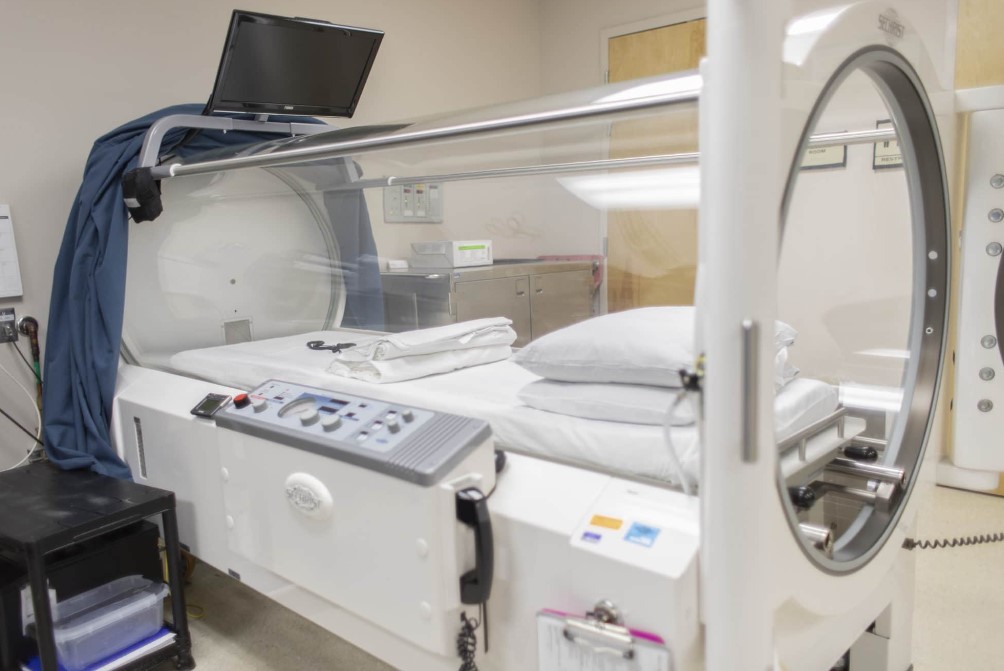
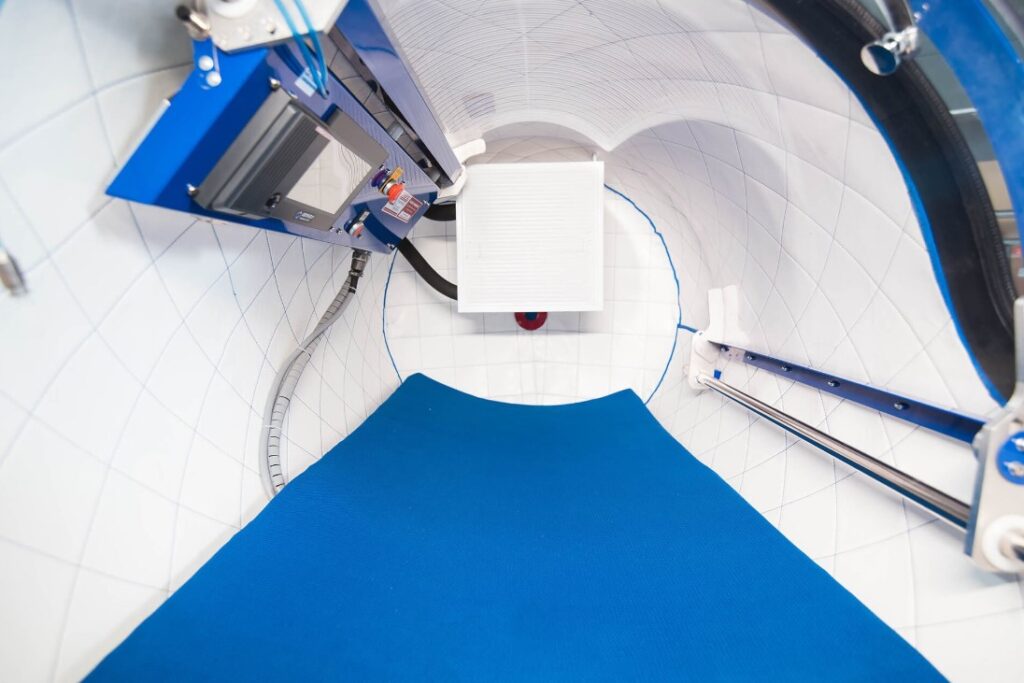
During hyperbaric oxygen therapy, patients enter a hyperbaric chamber alone or with other patients. The air pressure in the room then gradually increases, often reaching two to three times the normal air pressure. The patient breathes pure oxygen through a mask or hood.
Sessions usually last about 90 to 120 minutes, and the frequency of these treatments varies based on the patient’s condition and evaluation by a medical professional. Throughout the treatment, medical staff closely monitor the patient and room environment to ensure safety and comfort.
Source: healogics.com
patient experience
Patients’ experiences during hyperbaric oxygen therapy are generally positive, with most reporting only mild discomfort. Some people may experience a popping sensation in their ears as they adjust to the pressure change, similar to the sensation experienced when an airplane ascends or descends.
Medical professionals note that patients often feel relaxed during treatment, and many even fall asleep. It is not uncommon for patients to feel a little dizzy after a session, but this feeling usually goes away quickly. Side effects are relatively rare, and when they occur, they are usually mild and manageable.
research and research
Recent medical research and studies have revealed an expansion in the scope of hyperbaric oxygen therapy. Research has explored its potential in treating neurological conditions such as stroke and traumatic brain injury, with promising results.
Research shows that this therapy can promote neuroplasticity, leading to improved function and recovery.
In addition, research is delving into the anti-aging effects of hyperbaric oxygen therapy, examining its ability to reduce markers of aging at the cellular level. These studies are critical to expanding our understanding of the potential of this therapy, paving the way for new applications in medical science.
Who can benefit?
Hyperbaric oxygen therapy is particularly beneficial for patients whose tissues have insufficient oxygen supply. Patients with diabetic foot ulcers, late effects of radiation (such as radiation burns or jaw injuries), certain types of infections, and patients recovering from skin grafts or flaps may benefit most.
Additionally, people who have suffered sudden deafness or vision loss due to blood flow obstruction have also reported improvements with this therapy. Medical professionals carefully evaluate each patient’s condition to determine the potential benefit of treatment and ensure it is consistent with the individual’s specific medical needs.
Risks and Considerations
While hyperbaric oxygen therapy is generally safe, it does have potential risks and contraindications. These include ear damage due to increased air pressure, temporary myopia, and in rare cases, lung collapse.
It is also possible for patients to experience oxygen toxicity, although this is less common and usually occurs after prolonged exposure to high concentrations of oxygen. Medical professionals stress the importance of a thorough medical evaluation before undergoing treatment to assess suitability and minimize risks.
Patients with certain types of lung disease or those who have had recent ear surgery may need to approach this treatment with caution.
future trends
As research continues to advance and technology improves, the emerging trend in hyperbaric oxygen therapy is promising.
Medical experts are exploring the use of this therapy for a wider range of conditions, including mental health disorders such as depression and anxiety. Innovations in chamber design make treatment easier and more comfortable for patients.
Additionally, there is growing interest in understanding the molecular mechanisms behind the therapy’s benefits, which may lead to more targeted and effective treatments. The future of hyperbaric oxygen therapy is bright, with potential advancements expected to enhance its efficacy and application.
in conclusion
Hyperbaric oxygen chambers play a key role in modern medicine, providing unique and effective treatments for a variety of conditions. By understanding the science behind these chambers, recognizing their benefits, and understanding potential risks, patients and medical professionals can make informed decisions about their use.
As research continues to develop, we can foresee wider applications and advancements in this field. To get personalized advice and determine whether hyperbaric oxygen therapy is right for you, it is important to consult a medical professional.
This therapy has the powerful ability to enhance the body’s healing process and is a testament to the innovative spirit of medicine.